Differences between dry skin, sensitive and atopic: how to identify and care for them
When it comes to skin care, It is common to hear terms like Dry Skin, sensitive skin O atopic skin as if they were the same. However, although they share some symptoms, They are different conditions that require specific care. Understanding their differences is key to choosing the right products and avoiding making the situation worse..
What is dry skin?
Dry skin is a skin type, not a temporary condition. It is characterized by low fat production (sebum), what causes:
- Feeling of tightness
- Rough texture
- Peeling
- Lack of luminosity
This type of skin is usually constant over time, although it may worsen in winter or in dry environments.
How to care for it:
The key is in hydration and nutrition. Look for products rich in oils, ceramides and hyaluronic acid, and avoid cleaners that are even more drying.
What is sensitive skin?
Sensitive skin is not a skin type in itself, but one reactive condition. This means that the skin responds exaggeratedly to stimuli that would not normally cause discomfort..
Common symptoms:
- Redness
- Itching or stinging
- Burning sensation
- Reactions to products or environmental changes
How to care for it:
Opt for gentle products, without perfumes or irritating ingredients such as . less is more: a simple routine is usually the most effective.
What is atopic skin?
Atopic skin is a chronic medical condition, also known as atopic dermatitis. It goes beyond dryness or sensitivity, and usually requires dermatological follow-up.
Main features:
- Extreme dryness
- intense itching (sometimes constant)
- Inflammation and redness
- Recurrent outbreaks
- Possible injuries or cracks
It is more common in children, although it also affects adults.
How to care for it:
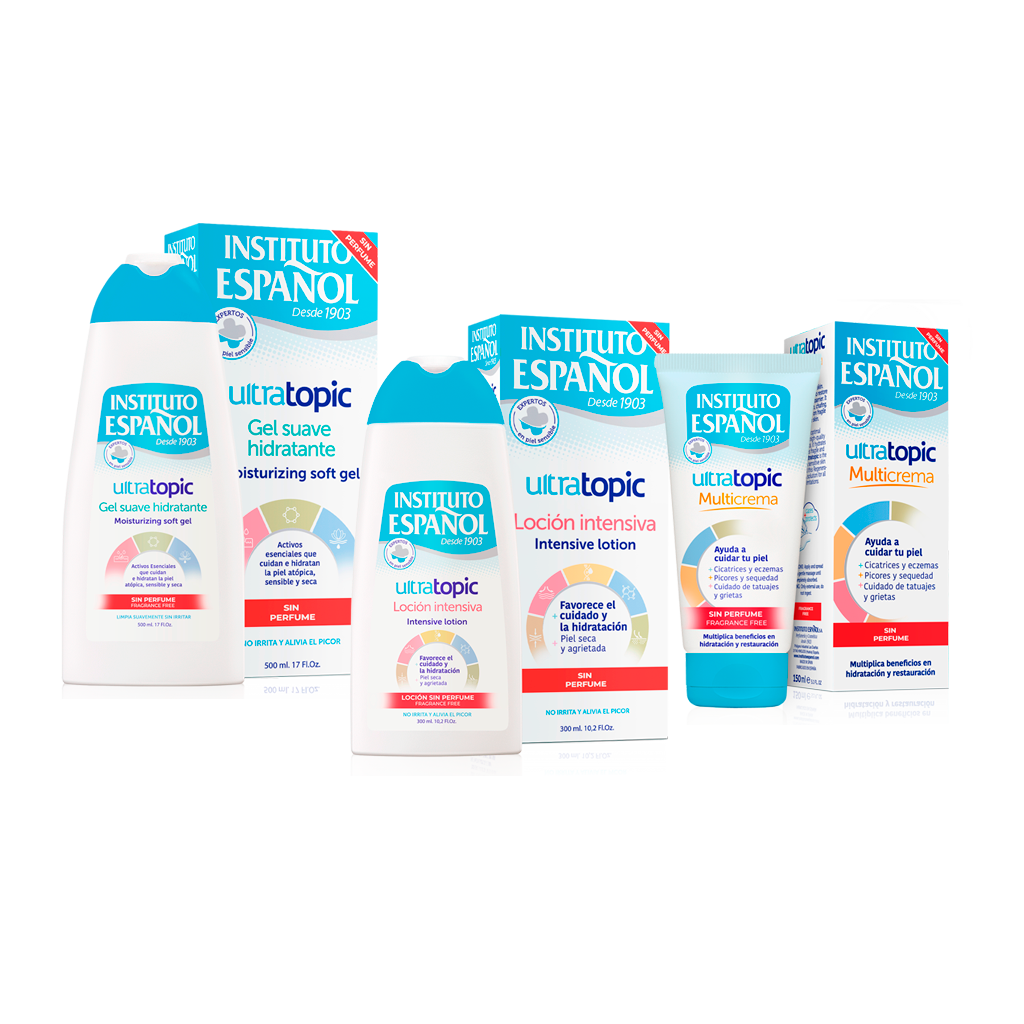
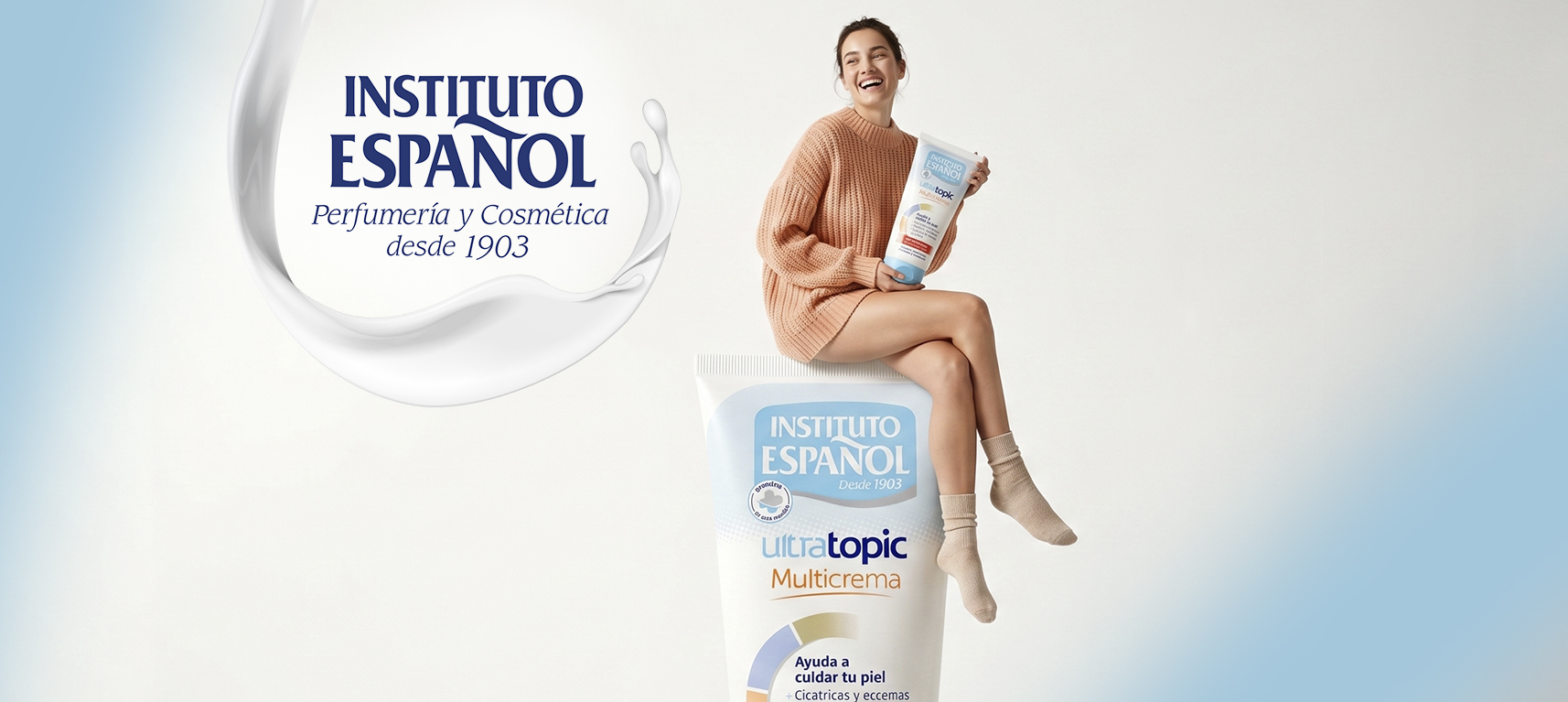
In addition to intensive hydration, It is essential to use specific products for atopic skin such as Ultratopic Multicream from the Spanish Institute. In more severe cases, medical treatment may be necessary.